
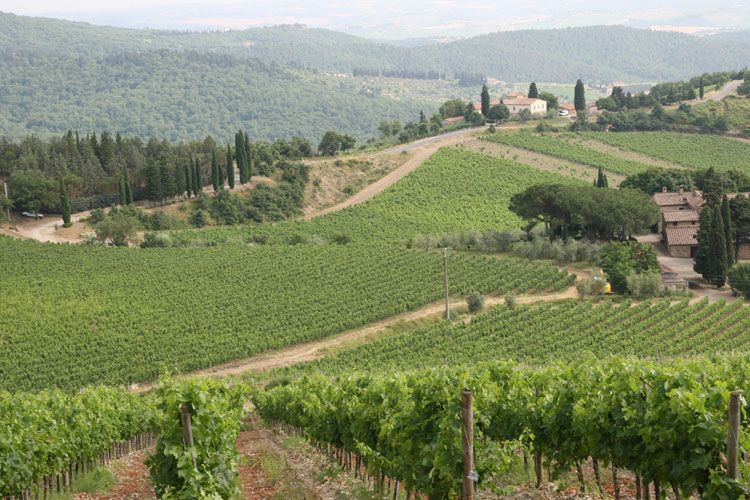
Chianti region

Chianti region

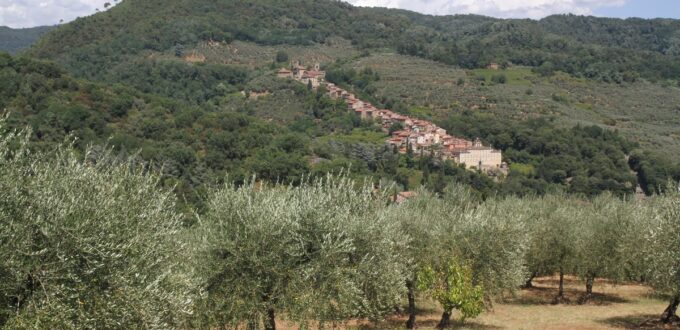
The Chianti region extends in Tuscany south of Florence and north of Siena, with its rolling hills more or less high at 900 meters, with green and yellow tones, among its vineyards, woods and olive groves. The name of Chianti is famous all over the world, thanks to its wine production of centuries-old tradition and […]

Post Regional Guide

Mount Amiata

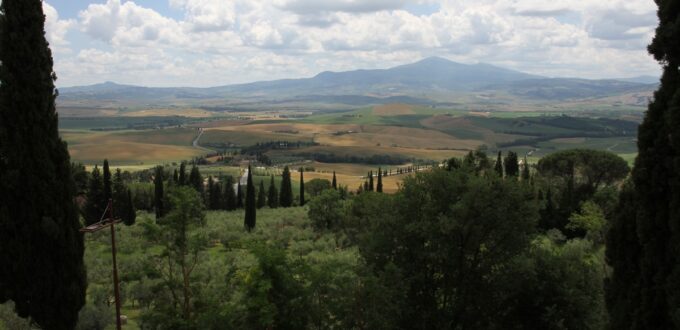
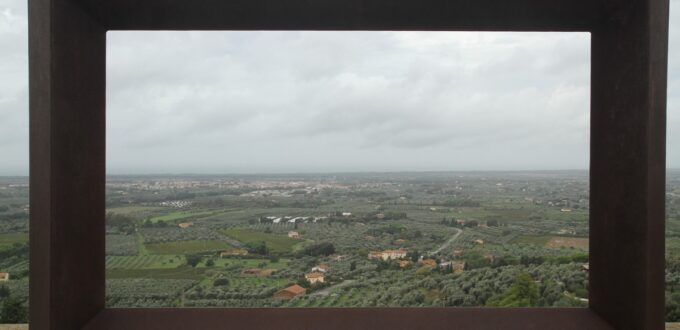
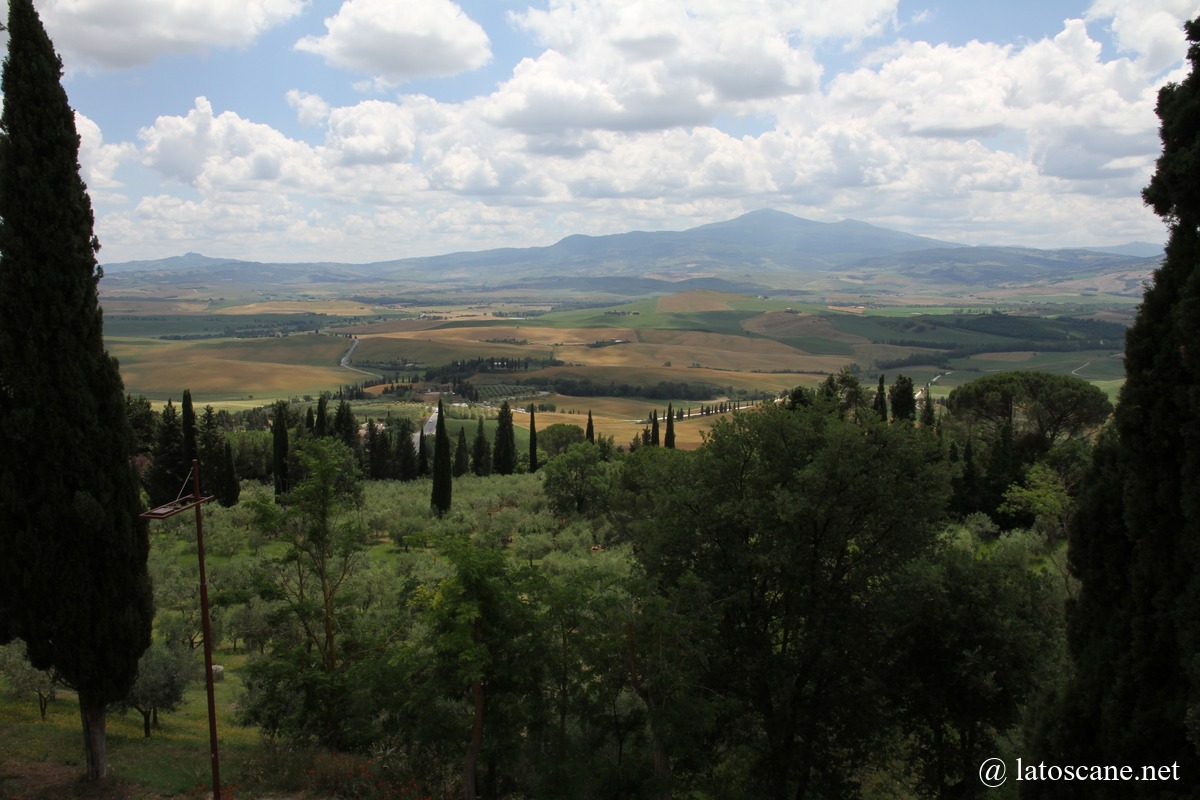
Panorama from the panoramic walk of Pienza

The Mount Amiata (Monte Amiata in Italian) is an extinct volcano in the Apennines, which culminates in southern Tuscany at 1,733 metres, between the Maremma to the west and the valleys of Val d’Orcia and Val di Chiana to the east, close to Umbria and Lazio. The eight municipalities in its territory are part of […]
Garfagnana region

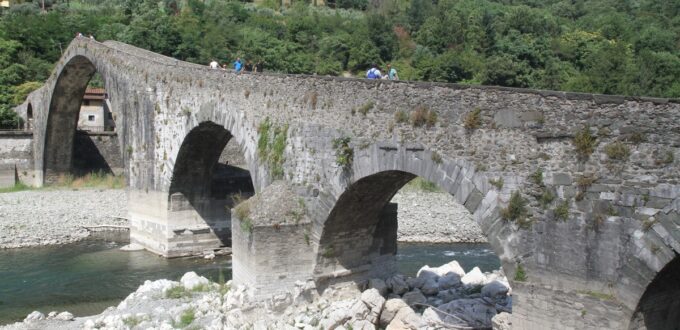
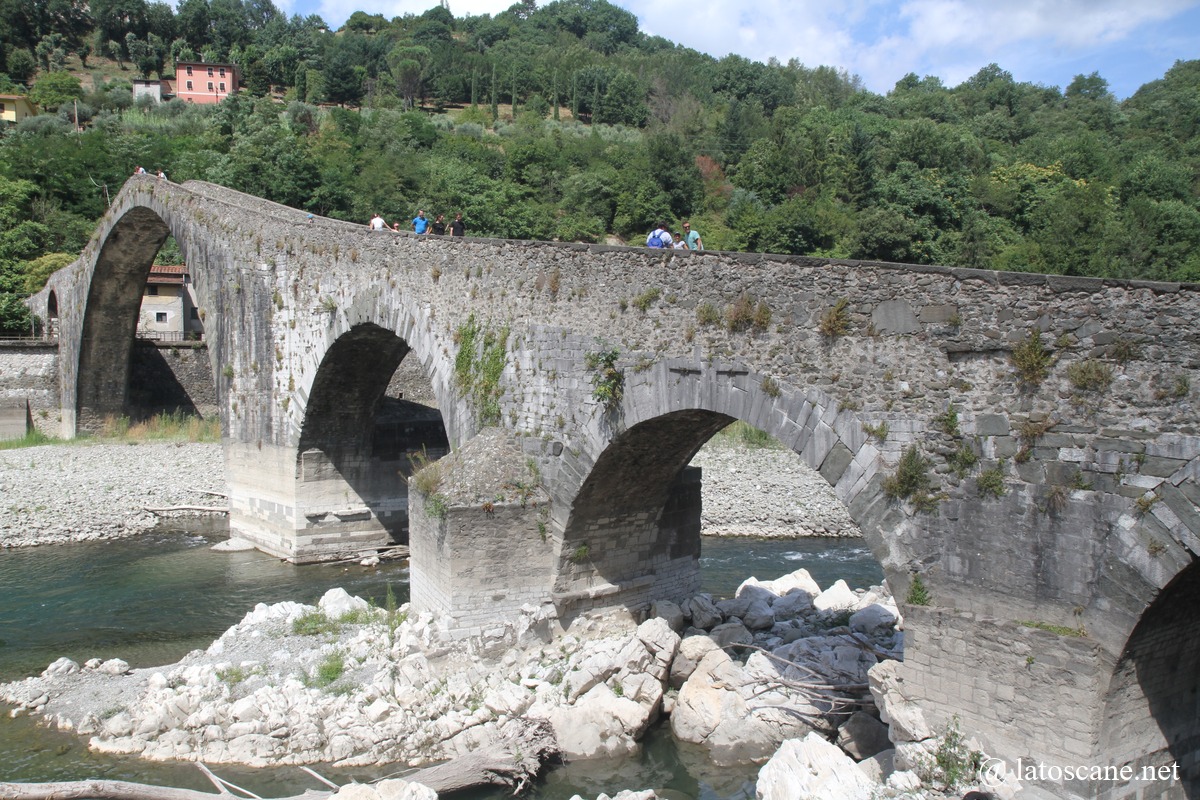
View of the Devil's bridge in the Garfagnana in Tuscany

In the north of Tuscany and in the province of Lucca, Garfagnana is a little known but pleasant region that deserves to be discovered. It stretches between the Apuan Alps and the Apennines, at the foot of peaks exceeding 2000 meters. It remains little touristic, and can discover its authentic lands, several wild valleys, lakes […]

Brief history of Florence

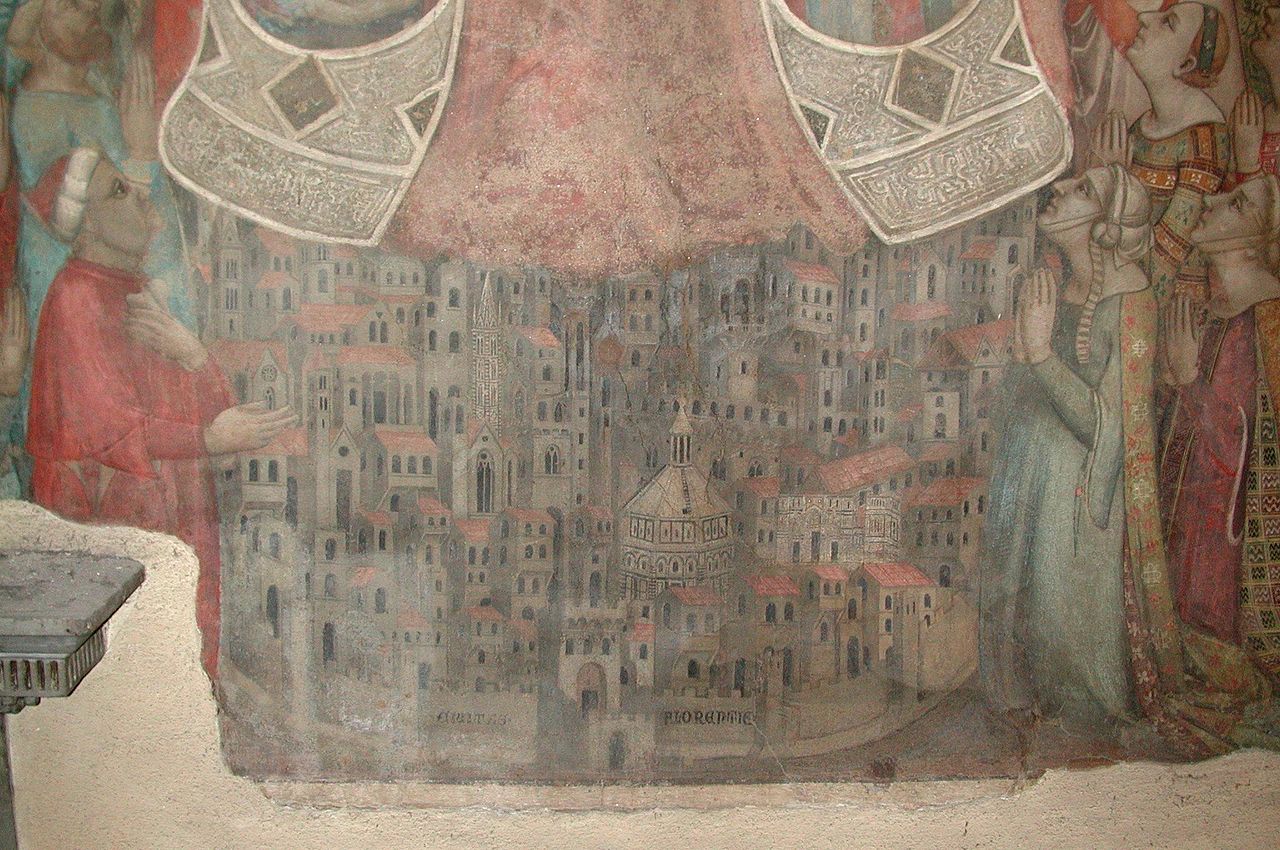
The oldest representation of Florence

Retired Roman soldiers founded in 59 BCE a village named “Florentia”. From the 4th century CE, it became the seat of a diocese. The city experienced troubled times after the fall of the Roman Empire, passing under various dominations such as the Byzantines, Ostrogoths, Lombards, and Franks. At certain periods, the population shrank to only […]

Weather in Florence

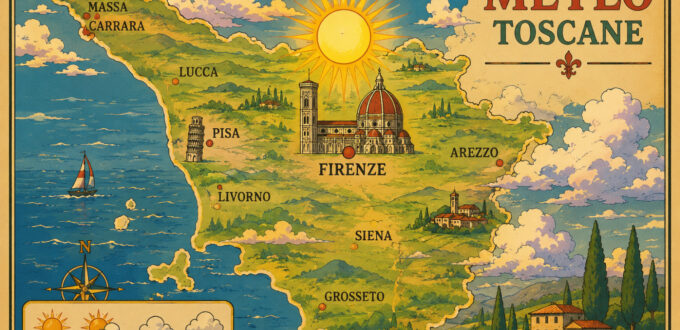
meteo-en-toscane

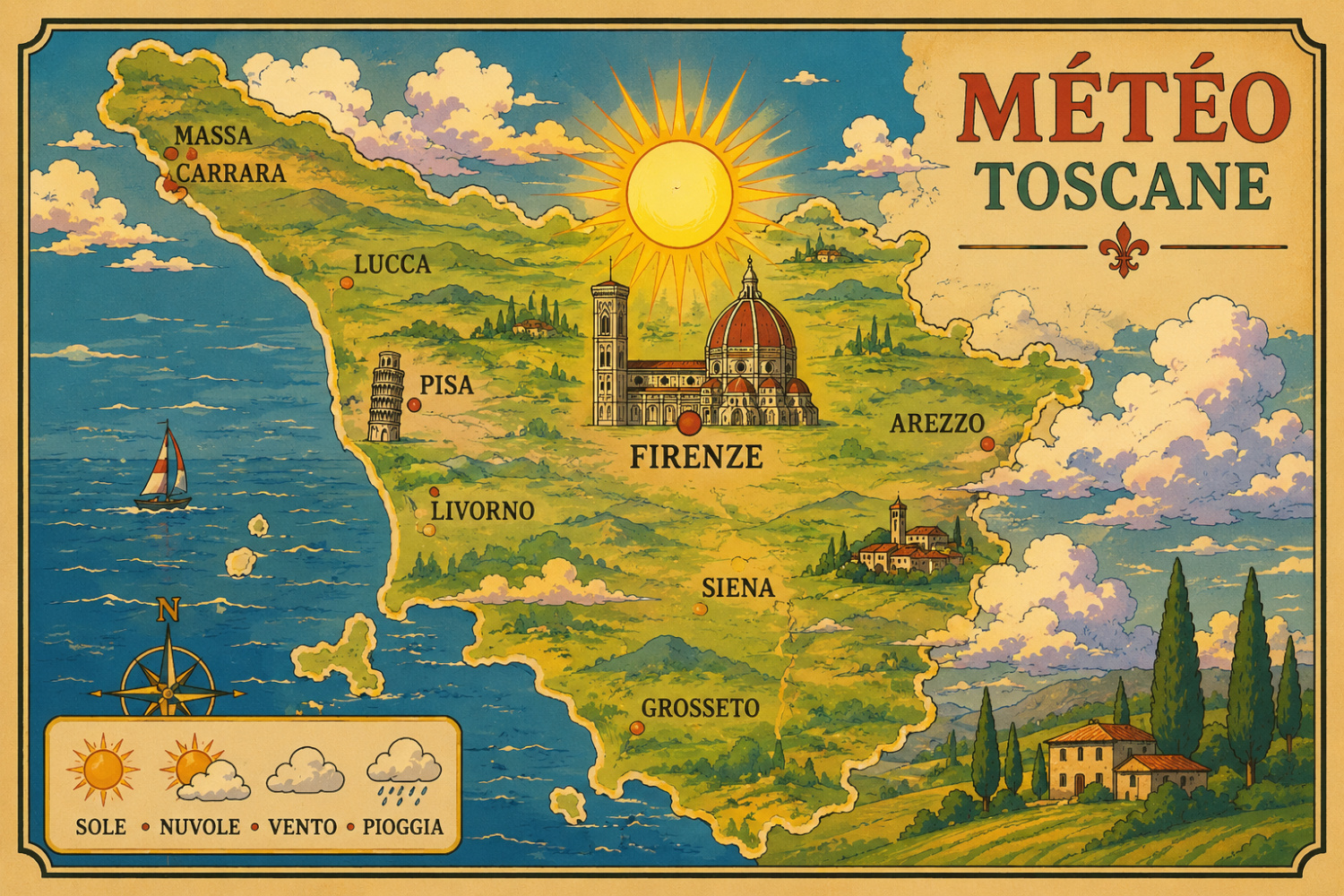
The climate of Florence, in Tuscany, is Mediterranean with marked continental influences. Summers are generally hot and dry, with temperatures often exceeding 30 °C in July and August. Winters remain relatively mild, although minimums can drop to around 0 °C in January. Spring and autumn are pleasant seasons, with moderate temperatures and frequent sunshine. Rainfall […]

Post Regional Guide

Etruscan coast and Val di Cornia

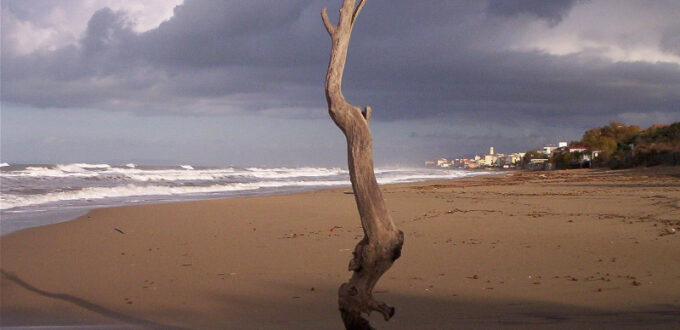
san-vincenzo-spiaggia-toscana

The Etruscan Coast is a part of the Tuscan coastline, north of the Maremma, from Livorno to the promontory of Piombino, which is characterized by its large beaches. Its history was marked before the Romans by the Etruscan presence. The latter founded Populonia on the promontory bordering the Gulf of Baratti, where the necropolises were […]
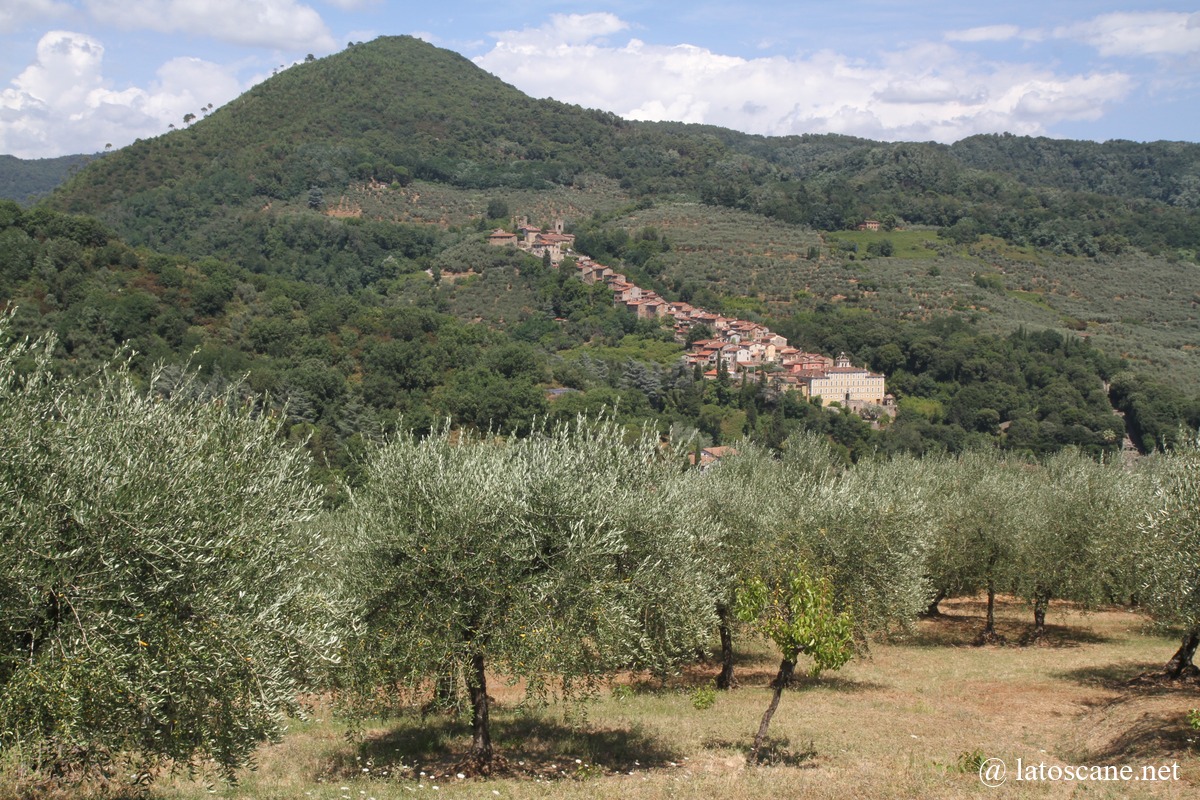
Val di Cornia

View of the belvedere of Castagneto Carducci

The Val di Cornia is a hilly area to the southwest of the Metalliferous Hills and south of the Cecina valley. Rather unknown to tourists, it is however a beautiful region with multiple charms, its varied coast to the wooded hills, or its small villages to the remarkable archaeological remains of Populonia or the mining park San Silvestro.
To the north lie the long sandy beaches and their pine forests, further south the Gulf of Baratti and the rocky promontory of Piombino.
The most charming villages in the hills are Suvereto and Campiglia Marittima, and beautiful vineyards are the source of good wines.

Presentation Post

Chianti region

Chianti region

Presentation The Chianti region extends in Tuscany south of Florence and north of Siena, with its rolling hills that reach 900 meters high, between green and yellow tones from spring to summer, mixing vineyards, woods and olive groves. The name Chianti is famous all over the world, thanks to its wine production of centuries-old tradition […]

Etruscan Coast

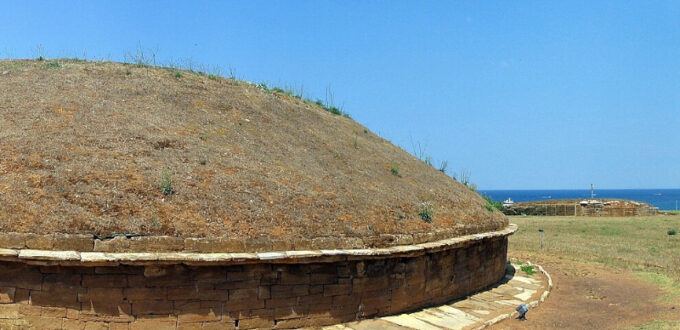
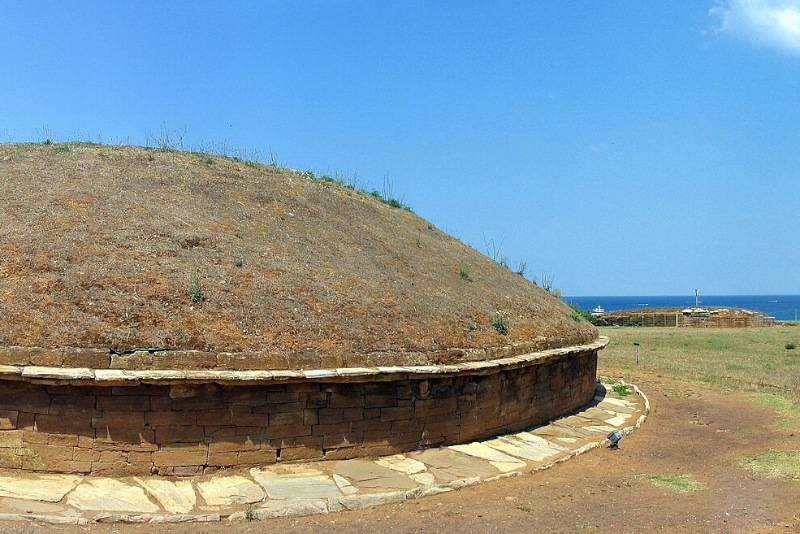
Photo of a tumulus in the necropolis of Populonia

The Etruscan Coast is a part of the Tuscan coastline, north of the Maremma, from Livorno to the promontory of Piombino, which is characterized by its large beaches. Its history was marked before the Romans by the Etruscan presence. The latter founded Populonia on the promontory bordering the Gulf of Baratti, where the necropolises were […]

Short history of Siena

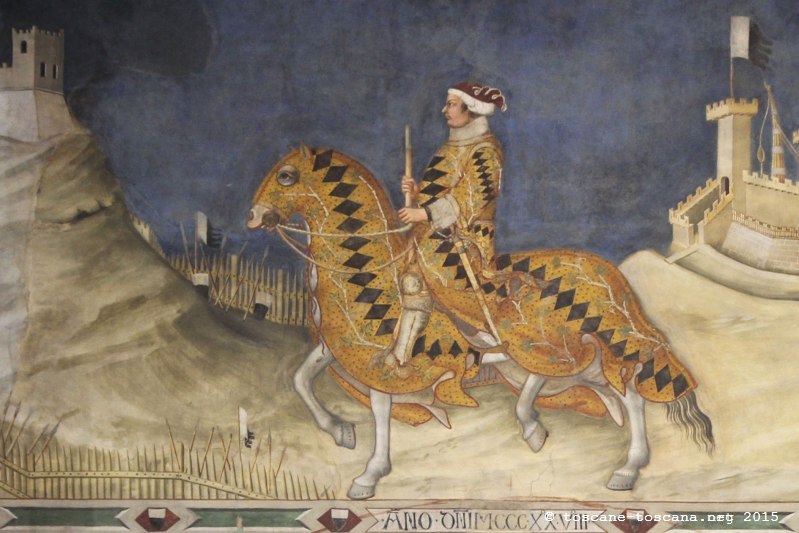
history of Siena

Although it seems that the Etruscans had occupied the territory of Siena, its foundation dates from the time of the emperor Augustus where a Roman colony was established under the name of Siena Julia. The earliest document mentioning the city dates back to 70 AD in the Book IV of the Historiae of Tacitus. He […]

Mount Amiata

Panorama from the panoramic walk of Pienza

The Mount Amiata is an extinct volcano in the Apennines, which culminates in southern Tuscany at 1,733 metres, between the Maremma to the west and the valleys the Val d’Orcia and Val di Chiana to the east, close to Umbria and Lazio. The eight municipalities in its territory are part of the province of Grosseto […]

Versilia region

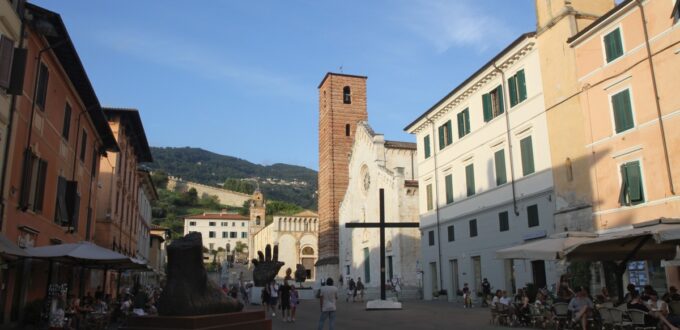
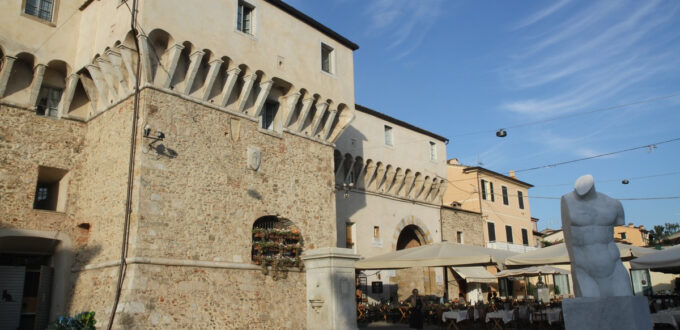
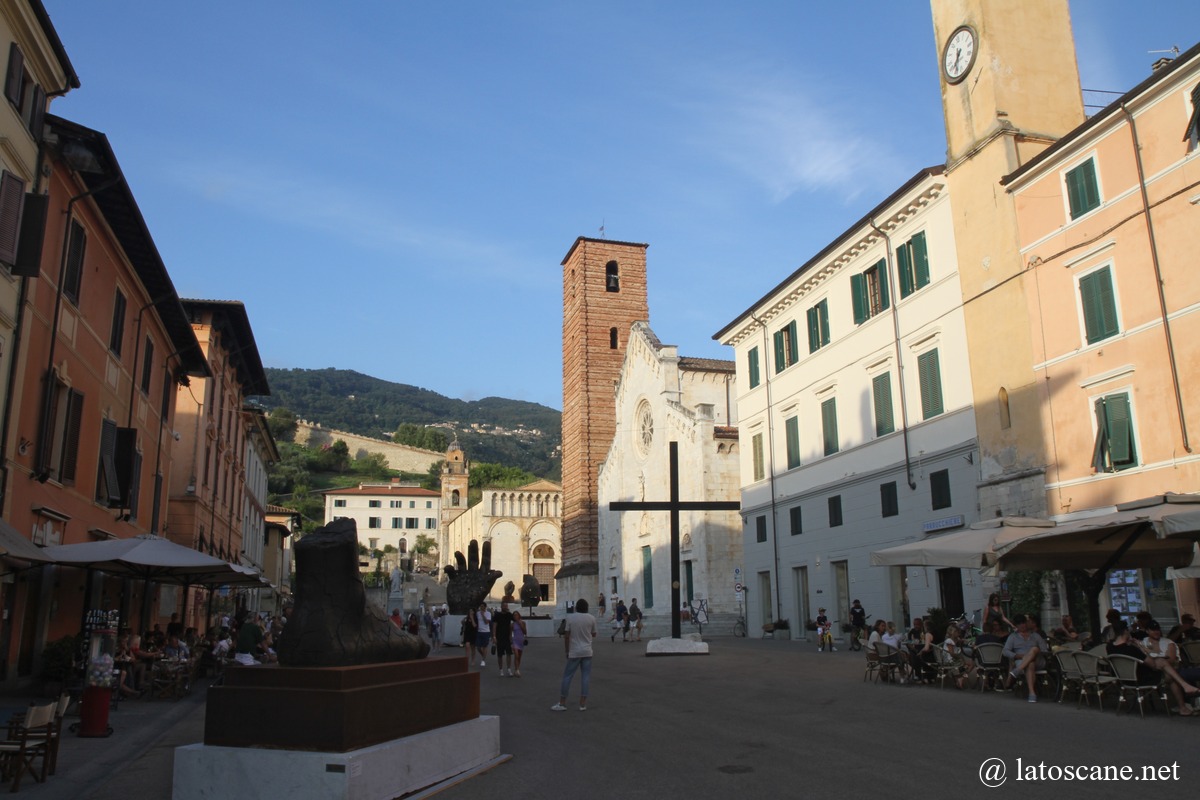
View of the Piazza Giosue Carducci in Pietrasanta

The Versilia is a coastal portion of northern Tuscany, almost 20 km long, between its long sandy beaches on the seaside coast, and the relief of the Apuan Alps suitable for hiking and mountain biking, as well as hills of olive trees and vineyards with pretty villages, or the lake of Massaciuccoli. On the coast […]